The Label Is the Least Reliable Thing in the Room: Measuring Vintage Before You Buy
Photo: Joe Haupt from USA, CC BY-SA 2.0, via Wikimedia Commons
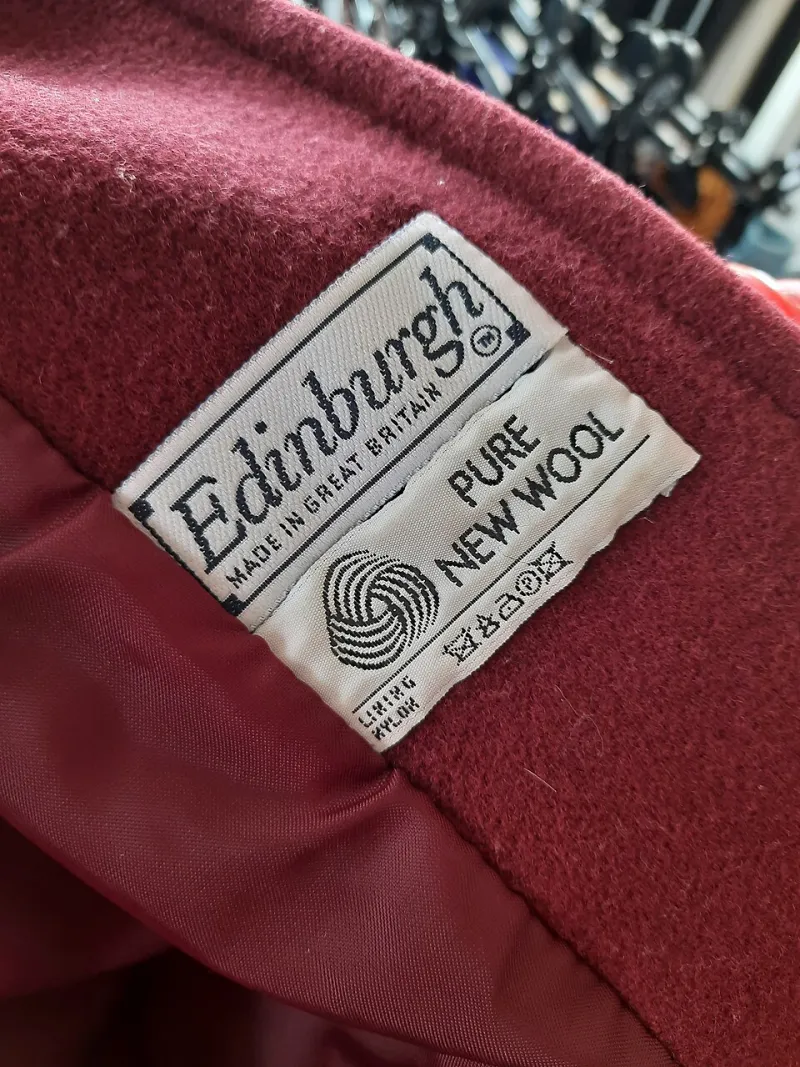
Vintage shopping has a particular kind of heartbreak: you spot a 1970s wool coat labelled 14, convince yourself it will fit, pay £18 at a charity shop, and discover it will not go near your shoulders. The label was not being malicious. It was made for a different body, a different decade and a different set of sizing rules.
In 2026, with resale apps busier than ever, the label is the least reliable thing in the room. Your tape measure is the useful bit. Here is how to use it before you buy.
Why a vintage 14 can fit like a modern 10
UK sizing has never been one fixed, enforced chart. Ready-to-wear brands have always had their own blocks, their own idea of a size 14 and their own customers in mind. Sizing has drifted over the decades, sewing patterns have run on different scales, and imported garments have added another layer of confusion.
A 1970s or early 1980s size 14 might measure roughly 36in (91cm) at the bust and 28in (71cm) at the waist. A modern UK 14 is commonly around 38–40in at the bust and 31–32in at the waist, depending on the shop. That gap is often one or two sizes. Add non-stretch fabric, a different shoulder shape or a garment that has been altered, and the label becomes almost meaningless.
It works the other way, too. A 1980s blazer labelled 12 may swim on a modern 12 because it was designed oversized. A 1950s dress labelled 14 might be tiny. Fabric matters: wool with no elastane needs room to move, while jersey can forgive a little. Washing can shrink a piece, and a previous owner may have taken in the waist or shortened the sleeves. Always ask for measurements.
Measure yourself once, properly
Do this in front of a mirror, wearing the underwear you would wear with the garment. Keep the tape snug but not tight, and write the numbers down in your phone. You will use them again and again.
- Bust: around the fullest part, tape level across your back.
- Waist: at your natural waist, usually the narrowest point. Bend sideways to find it.
- Hips: around the fullest part, roughly 20cm below your waist.
- Shoulder: from the point of one shoulder to the other, across your back.
- Sleeve: from your shoulder point to where you want the cuff to sit.
- Lengths: note where you like a coat hem, a dress hem and a knit hem to fall.
Also note your preferred ease — the gap between your body and the garment. A fitted dress might need only 2–5cm of ease. A winter coat needs more, often 8–12cm, so you can wear a knit underneath. If you hate tight sleeves, measure a coat you already love and compare that instead of guessing.
Measure the garment flat
Online sellers often give body measurements, but garment measurements are more honest. Ask for these, or take your own tape measure into the charity shop.
- Close the buttons or zip and lay the garment flat.
- Measure pit to pit straight across the chest, then double it for the approximate bust measurement.
- Measure across the waist, then double it.
- Measure across the hips at the widest point, then double it.
- Measure shoulder seam to shoulder seam across the back.
- Measure the sleeve from the shoulder seam to the cuff.
- Measure the length from the high point of the shoulder, or from the back neck, depending on the style.
Compare those doubled figures with your body measurements plus the ease you actually want. Do not compare them with the size you usually buy. A garment can be labelled 14 and measure like a modern 10; the tape measure does not care.
The fit points that matter most
Coats: shoulders first
Shoulders are the hardest thing to alter well. If the shoulder seams sit too narrow or too wide, walk away unless you have a very good tailor and a very generous budget. Check pit-to-pit with a jumper on, sleeve length and back length. Look at the lining, underarm seams and anywhere the fabric pulls. A coat that buttons but feels tight across the back will stay in the wardrobe.
Dresses: waist seam and hips
Check the bust, waist and hips, but also check where the waist seam actually sits. A dress can measure correctly and still look wrong if the waist is 5cm higher than you like. For bias-cut dresses, remember the fabric can grow with hanging. Check armholes, side seams and hem length. If the zip strains or the fabric pulls across the hips, size up or leave it.
Knitwear: pit-to-pit and stretch
Measure a knit flat, then gently stretch it to see how much give it has. Check the body length, sleeve length and hem. Look for moth holes, pilling, felting and stretched cuffs. Wool can relax with wear, so a tight knit may become looser, but a shrunken one will not recover. Be honest about itchiness, too. A beautiful jumper you cannot bear against your skin is not a bargain.
When to walk away
A little risk is part of vintage shopping, but you do not have to gamble on everything. Walk away if:
- The seller will not provide measurements and the listing says no returns.
- The description says 'fits like a 12/14' but gives no numbers.
- Photos are clipped, pinned or taken at odd angles that hide the fit.
- The shoulder seams are clearly too narrow, or the sleeves are too short to let down.
- The buttons gape, the fabric pulls in straight lines, or the zip will not sit flat.
- There are underarm stains, moth holes, brittle fabric, perished elastic or missing embellishments you cannot fix.
- The garment has been altered at the shoulders or waist and the seams look strained.
- The price is high enough that a bad fit would genuinely annoy you.
In person, raise your arms, sit down and button it up. If you cannot move comfortably in the changing room, you will not wear it to the party.
Keep a note on your phone
Save your bust, waist, hips, shoulder, sleeve and preferred lengths. Then add the measurements of a coat and a dress you already love. That second set is often more useful than your body numbers, because it tells you the ease you actually enjoy wearing. When a listing appears at 11pm on Vinted, you can check it in seconds rather than talking yourself into a label.
The label is history. The tape measure is the truth. Use it, and you will bring home fewer mistakes — and more secondhand pieces that actually get worn.