Before the Crowds: A Beginner's Field Guide to Car Boot Vintage Hunting

Photo: Whatlep, CC BY-SA 2.0, via Wikimedia Commons
Car boot sales are not a shopping trip; they are a contact sport played in a damp field with a flask of tea. That is precisely why they remain one of the best ways to find vintage in the UK without paying boutique mark-ups. In 2026, when so much secondhand shopping happens through an algorithm, the boot fair is a reminder that the best finds often come with mud on the hem and a seller who wants £3 and a chat.
Why car boots still matter
Because they are unpredictable. A charity shop is curated by someone else; a car boot is a field full of house clearances, loft empties and traders with mixed motives. You might find nothing. You might find a 1970s leather jacket for £15 while the person next to you is buying a set of spanners. That randomness is the point. It is also a more sustainable way to shop: no postage, no packaging, no new manufacture, and money going straight to the person in front of you.
The night before
Treat it like a small expedition. Check the weather, charge your phone, and put your kit by the door. Cash is king. Bring £30–£40 in small notes and coins; not every seller takes cards and signal can be patchy in a field. Pack a tote bag or two, a tape measure, wet wipes, hand gel, a waterproof, a warm layer, a flask and a snack. If you have specific measurements, write them on a note in your phone or on paper. A list of your actual wardrobe gaps is useful; a list of fantasies is not.
The early-start rhythm
Most boot sales advertise a start time, but the real action begins earlier. Aim to arrive 30–45 minutes after the advertised opening if you want the best balance of choice and sanity. Serious traders often arrive before dawn; you do not need to join them unless you are hunting one specific thing. Walk the whole site once before you buy. A quick lap tells you where the clothing stalls are, which sellers look like house clearances and which are professional traders. Then go back to the promising ones.
Reading a stall before you rummage
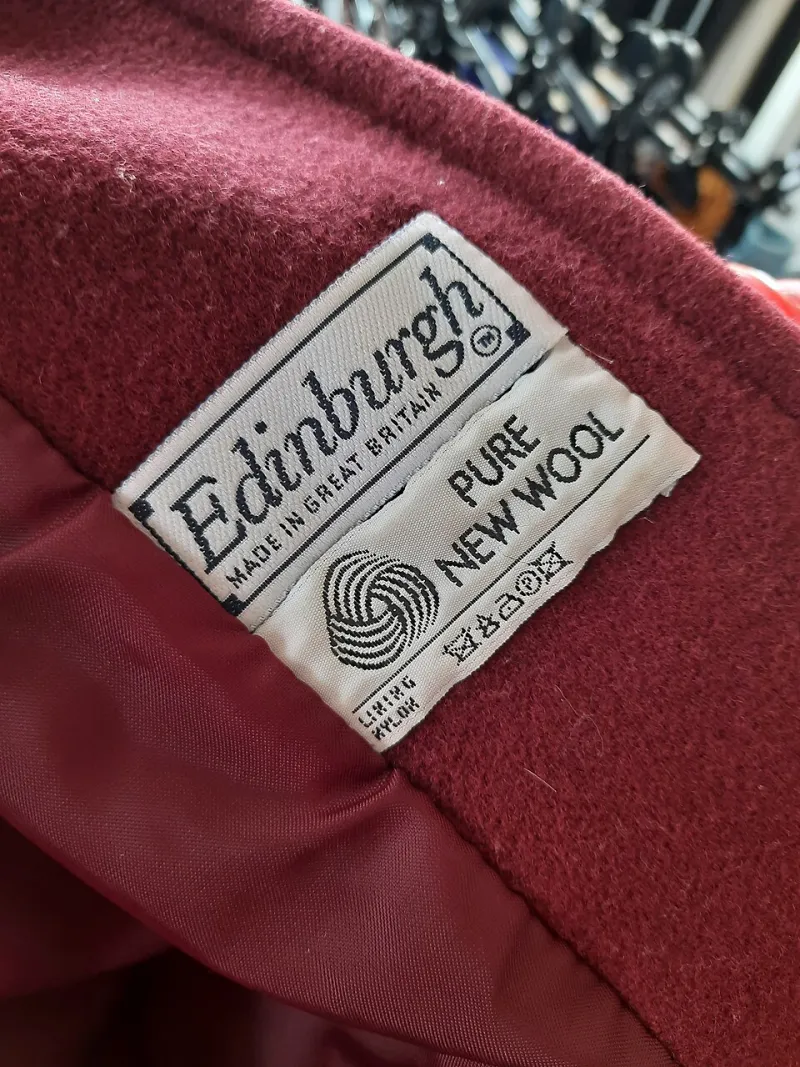
Use your eyes before your hands. A good vintage stall usually has clothes hung or folded with some care, labels visible and prices marked. A house clearance may be boxes on the ground, but the contents can be gold. Look for natural fibres, old labels, metal zips, bound seams and a lack of modern fast-fashion branding. Ask before opening boxes or rummaging through bags. If a seller is already busy, wait your turn. The best finds often come from the stalls that look least curated.
Bargaining without being a nuisance
Bargaining is part of the culture, but it is not a blood sport. Ask politely: 'Would you take £8 for these two?' Bundle items to make an offer easier. Do not haggle over 50p if the price is already fair. If the seller says no, smile and move on. Never make a low offer on something you are not prepared to buy. And if someone is holding an item, it is theirs until they put it down. Car boot etiquette is mostly just manners in a field.
A realistic kit list
- Cash in small notes and coins.
- Tote bags for hauling.
- Tape measure and your key measurements.
- Wet wipes and hand gel.
- Waterproof jacket and sturdy shoes.
- Flask and snack.
- Phone power bank.
- A reusable water bottle.
- A rough budget and a list of wardrobe gaps.
Optional extras: a small magnifying glass for labels, a fabric bag for delicate knits, and a friend who will tell you when you are overbuying.
Red flags that mean walk away
Walk away from damp, mould or a smell that makes your eyes water. Check underarms, collars, cuffs, crotch seams and hems for moth holes, sweat marks and repairs. Avoid shoes with crumbling soles or sticky adhesive. Be wary of a rail of vintage that is actually modern fast fashion with a markup. If a seller will not let you inspect an item, or pressures you into a job lot, keep walking. And if the price is higher than a good charity shop or online resale equivalent, ask yourself why you are paying for the atmosphere.
After the haul
At home, empty bags, check pockets, air knitwear and wipe down leather. Wash what can be washed according to the care label, and freeze woollens if moths are a concern. Make a small pile for repair. The car boot bargain is only a bargain once it is clean, wearable and actually in your wardrobe. Give yourself permission to pass on anything that does not work; you can always re-donate it.
The car boot is not a guaranteed vintage goldmine. It is a morning out, a gamble and a reminder that secondhand style should be a bit of an adventure. Go early, take cash, ask nicely and keep your expectations loose. The best find might be a £5 coat. It might also be the flask of tea and the fact that you spent a morning away from a screen. Both count.