The Hallway Test: How to Tell If a Secondhand Wool Coat Will Survive a British Winter
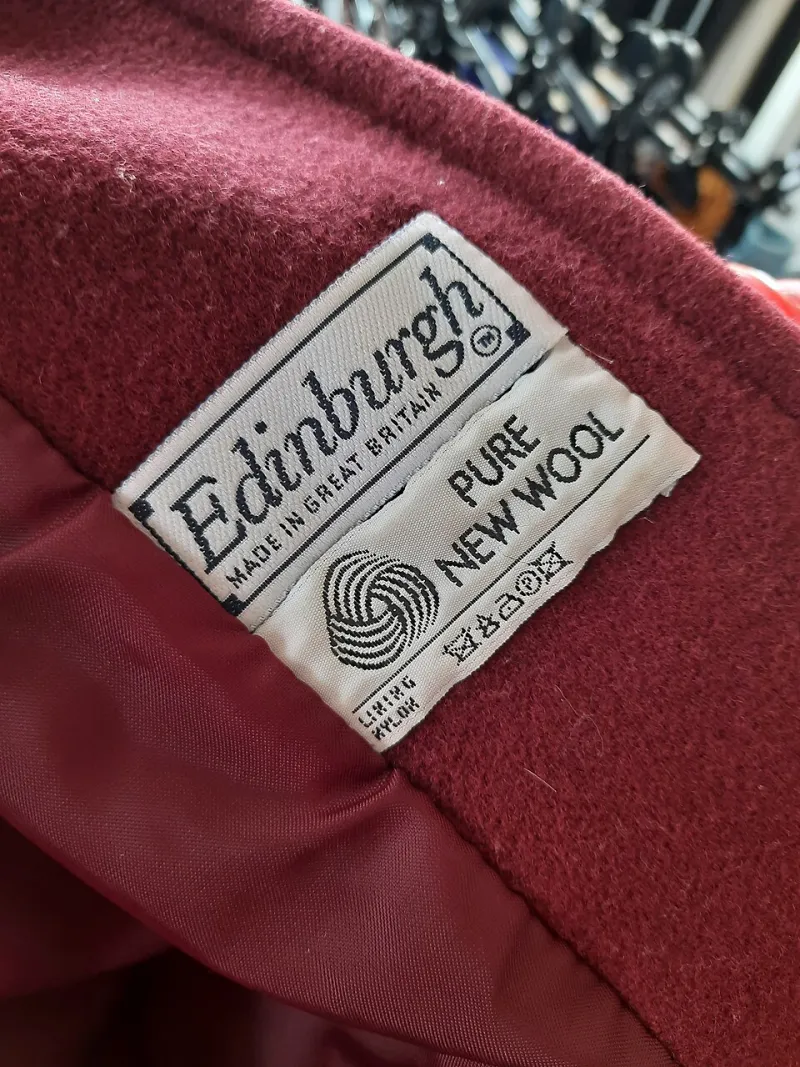
Photo: MAKY.OREL, CC0, via Wikimedia Commons
There is a particular kind of optimism that comes over you in a charity shop in November. The rail is crammed, the heating is up, and a heavy wool coat in a colour you would never find on the high street looks like the answer to every cold-morning problem you have ever had. Then you get it home, hang it in the hallway, and discover it is scratchy, tight across the back and carrying a smell that suggests it has been in a loft since the 1980s.
A vintage coat can be a brilliant buy. It can also be a £40 mistake that takes up space for three winters. The difference is not luck. It is a short, unsentimental audit. Here are the nine checks I run before I hand over cash for secondhand wool in 2026.
1. Feel the weight before you fall for the colour
Pick the coat up by the shoulders. A proper winter wool coat should have some heft. If it feels limp, thin or flimsy, it is probably a September coat at best. Check the label, but do not worship it. A tightly woven wool blend can outperform a loose, hairy pure wool that lets the wind straight through. Squeeze a section of the fabric: if you can see daylight through it, it will not do much for you at a bus stop in January.
2. Check the shoulders while the coat is on a hanger
Vintage coats were cut for different shoulder shapes, different bras and different ideas about padding. Put it on over a jumper, not a T-shirt. Reach forward as if you are cycling or driving. If the seams pull across the back or the armholes cut into your armpits, walk away. Shoulder alterations are expensive and rarely invisible. A slightly oversized coat can be belted; a too-small shoulder cannot be fixed with optimism.
3. Treat the lining as a structural part, not a secret
Turn the coat inside out. Look at the underarms, the back neck and the hem. A small bit of wear is normal. A shredded lining is not a cute quirk. Replacing a full lining can easily cost £60 or more, which changes the maths of a cheap coat. Check that the lining is not twisted or hanging below the hem. If it is, the coat may have been cleaned badly or re-lined by someone in a hurry.
4. Hunt for moth damage in the places you forget
Moths love dark, warm, untouched places. Check under the collar, inside the cuffs, around the pockets and along the seams. Hold the coat up to a window; small holes show up better in daylight than under shop lighting. A single hole near a seam can often be repaired invisibly. A scatter of holes across the front is a different story. Factor in the cost of reweaving or patching before you decide.
5. Test every fastening and the placket
Button up the coat. Does the placket lie flat, or does it gape? Are the buttons original and secure? Matching vintage buttons can be a treasure hunt. Check the zip if there is one. A broken zip on a vintage coat is not always a quick fix; replacing it can cost more than the coat itself. Hooks, eyes and poppers should do their job. If the front fastening is unreliable, you will never wear the coat on a windy day.
6. Do the repair maths before you reach the till
Add up the ticket price, dry cleaning and any likely repairs. A £35 coat with a £70 repair bill is a £105 coat. That may still be good value, but only if you would pay £105 for it in the first place. Use cost-per-wear as a rough guide. If you think you will wear it thirty times over three winters, a £105 coat costs £3.50 a wear. If it is a costume for one party, it is not a winter coat. It is a prop.
7. Inspect pockets, hem and cuffs
Put your hands in the pockets. Do they sag, have holes or feel sticky? Pocket bags can be replaced, but it is another job. Look at the hem. Is there enough fabric to let it down if needed? A crease line from an old hem can be hard to press out. Check the cuffs. Frayed cuffs can sometimes be turned or bound, but badly worn cuffs on a formal coat are a warning sign.
8. Run a British weather reality check
A coat that works in a shop mirror may fail in real weather. Can you layer a chunky knit underneath without feeling like a sausage? Does the length work with your usual boots and trousers? A long wool coat is warm, but it is heavy when wet. If you are walking to the station in horizontal rain, you may need a waterproof layer over it. Does the coat have a hood or a collar that stands up? Will it survive a school run, a dog walk or a commute without needing a full spa day every week?
9. Apply the hallway test
This is the final check. Imagine the coat in your hallway for a week. Would you reach for it on a normal Tuesday, or would you save it for a special occasion that never arrives? Take a photo in daylight, not in the shop mirror. If you are already planning to change the buttons, shorten the sleeves and lose two stone before it looks right, it is not the coat for you. The best vintage wool coat is not the oldest or the cheapest. It is the one you wear until the lining gives out.
A good secondhand coat should feel like a tool as well as a find. If it passes the nine checks, buy it with confidence. If it fails two or three, leave it on the rail for someone else to romanticise.