Fifteen Secondhand Christmas Gifts That Feel Genuinely Personal, Not Regifted
Photo: Unknown photographer, Public domain, via Wikimedia Commons
Christmas shopping in 2026 doesn't need another novelty mug or a gift set nobody asked for. The best secondhand presents feel personal because someone took the time to look, check and choose. They also tend to be kinder to the planet and gentler on the wallet than a last-minute new purchase. The trick is to avoid the trap of buying something simply because it is old, cheap or slightly unusual. Thoughtful gifting is about provenance, condition and a clear idea of who will actually use the thing.
Below are 15 secondhand finds that work across budgets, from charity-shop lucky dips to winter vintage fairs and online resale. Prices are a rough UK guide; condition and usefulness should always come before a bargain.
Small Vintage Jewellery That Does the Work
-
A single vintage brooch — £8–£25 in charity shops, £20–£60 at fairs. Check the clasp works and the pin is straight. A brooch is an easy gift for someone who likes a bit of detail without committing to a full vintage outfit. Styling idea: pin it to the lapel of a wool coat or the collar of a plain shirt.
-
A silk scarf — £5–£15 in charity shops, £20–£45 online. Look for hand-rolled edges, a clean label and no big pulls. Avoid anything with heavy perfume or storage marks unless you are happy to pay for a specialist clean. Styling idea: tie it around a bag handle or wear it loosely at the neck.
-
A vintage necklace — £10–£40. Give the clasp and stringing a gentle tug. Costume pieces can be charming, but missing stones and broken links turn a gift into a repair job. Styling idea: a short chain over a fine knit, or a longer pendant over a dress.
-
A compact mirror — £5–£15. Check the hinge, the catch and the mirror itself. A little wear on the case is fine; a mirror that won't stay closed is not. It makes a small, useful present for a handbag or dressing table.
Wearable Vintage: Coats, Knits and Gloves
-
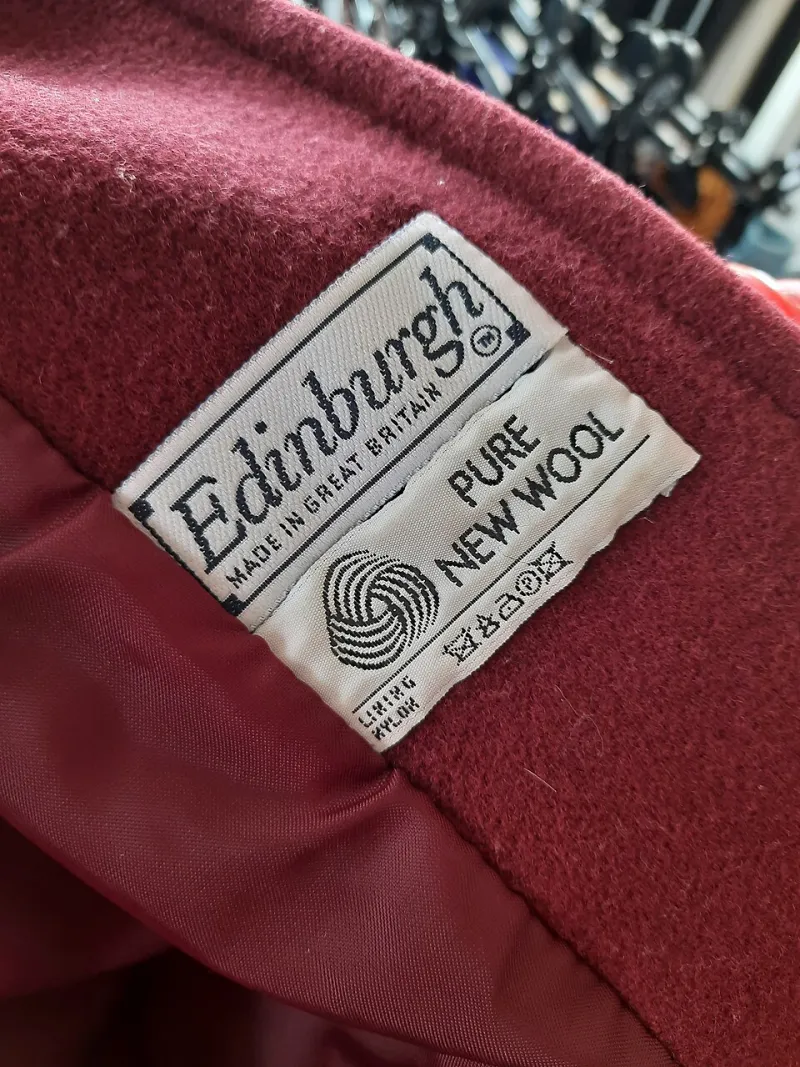
A wool overcoat — £25–£60 in charity shops, £70–£150 at vintage fairs. Run your hands along the seams, underarms and hem. Look for moth holes, shine at the elbows and a lining that has given up. Sizing note: vintage coats often run small, so measure pit-to-pit and leave room for a jumper underneath. Styling idea: a camel coat with dark denim and a scarf is hard to beat.
-
A lambswool or Shetland jumper — £12–£30. Check cuffs, underarms and the neckline. A little pilling can be removed; a felted jumper cannot. Styling idea: layer over a collared shirt for a practical, retro look that still feels current.
-
Leather gloves — £8–£20. Check the seams, the lining and the fingers for cracks. Give them a gentle flex. A good pair of vintage gloves feels far more considered than a novelty pair from a cracker.
-
A vintage handbag — £20–£60. Look at the lining, zip, strap attachments and corners. A scuffed bag can be lovely; a bag that sheds its lining is a nuisance. Styling idea: a structured 1960s bag works with tailoring, while a slouchy leather shoulder bag suits everyday wear.
Retro Homeware With Everyday Use
-
A set of retro glass tumblers — £10–£25. Check every rim for chips and run a finger around the inside. Glassware is only a good gift if it can actually be used. Styling idea: tie a ribbon around the set and pair it with a bottle of something local.
-
A mid-century pottery jug — £15–£40. Look for cracks, crazing and repairs. A little crazing is common and often fine for display, but be honest about it in the provenance card. It works as a vase, a utensil pot or a very British gravy jug.
-
A vintage cake stand — £10–£30. Check the plate is flat and the stand is stable. A wobbly cake stand is a kitchen accident waiting to happen. It is a good gift for someone who hosts, especially if you add a handwritten recipe card.
-
Glass Christmas baubles — £5–£25. Check the metal caps and look for cracks near the top. Old decorations have real charm, but they need to survive the tree. Wrap them carefully and include a note about handling.
Books and Small Collectibles
-
A collectible fashion book — £10–£35. Check the spine, the index and any missing plates. A clean secondhand copy of a fashion history or costume book feels generous without being flashy. It is especially good for someone who likes the stories behind the clothes.
-
A framed vintage fashion advert or illustration — £10–£30. Look for foxing, water marks and a frame that is falling apart. If the frame is poor, factor in the cost of replacing it. A simple black frame can make an old page look intentional.
-
A vintage knitting or sewing pattern book — £3–£10. Check that the patterns are complete and the instructions are legible. It is a lovely gift for a maker, especially when paired with a few balls of wool or a packet of good needles.
Sourcing Tips That Save You From a Bad Buy
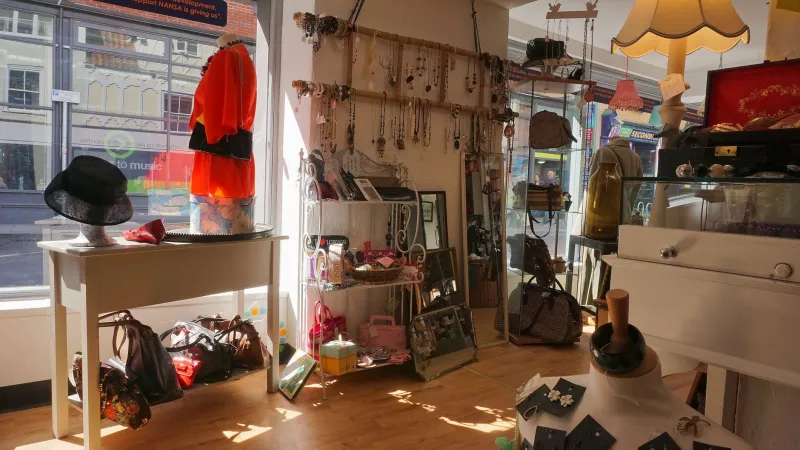
Charity shops are still the best place for small treasures, but go often and ask when new stock tends to go out. Check the jewellery case properly, and don't be shy about asking to see something under better light. Online resale is brilliant for choice, but always ask for measurements and extra photos of labels, seams and flaws. Factor in postage and check the returns policy before you commit. Winter vintage fairs are ideal for coats and occasion pieces because you can try things on, but take a tape measure and a list of what the person actually wears.
Make It Feel Chosen: Provenance Cards and Wrapping
A small provenance card makes a secondhand gift feel intentional. Write down where you found it, anything you know about the era, the condition, washing instructions and one styling idea. It takes two minutes and turns a charity-shop find into a proper present. Wrap it in reusable fabric, old maps or plain brown paper, and skip the plastic ribbon. The point is not to pretend the gift is new. The point is to show that it was chosen.
Condition Checks Before You Pay
Always check seams, underarms, hems, zips and fastenings. For jewellery, test clasps and look for missing stones. For glass and ceramics, feel for chips and cracks. For books, check the spine and any missing pages. If you are buying online, ask direct questions and keep the messages. A good seller will not mind. A bad buy is usually the one you talked yourself into.
Secondhand gifting works best when it is specific. A vintage brooch for the person who always wears a coat, a wool jumper for someone who feels the cold, a cake stand for the friend who feeds everyone. That is what makes a pre-loved present feel personal rather than padded out.