The Charity Shop Reality Check: How to Spot Genuine Vintage Before You Pay
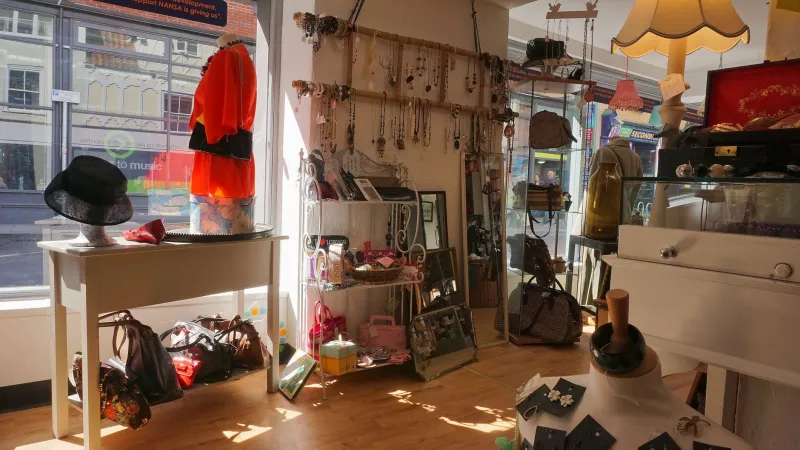
Charity shops have always required a bit of patience. You push past rails of supermarket-priced knitwear, scan the shelves for something with a story, and hope the volunteers haven't already been beaten to the good stuff by a professional reseller. But in 2026 there's an extra wrinkle: fast-fashion pieces dressed up as vintage. A 'vintage' rail is no longer a guarantee of age, quality or even a fair price. If you want to shop secondhand without getting caught out, you need to read the clues.
Why the charity shop rails feel different now
Charity shops are sorting more donations than ever, and much of it is modern fast fashion. Volunteers are not vintage experts, and they don't have time to research every label. A patterned blouse from a high-street giant can look old enough once it's been washed a few times. Some shops have responded by creating 'vintage' sections, which is helpful in theory but uneven in practice. Prices creep up, labels get cut out, and a £4 Primark top can suddenly become a £22 'retro find'. That's the trap: paying boutique prices for disposable clothing while thinking you're supporting sustainability.
Labels are your first line of defence
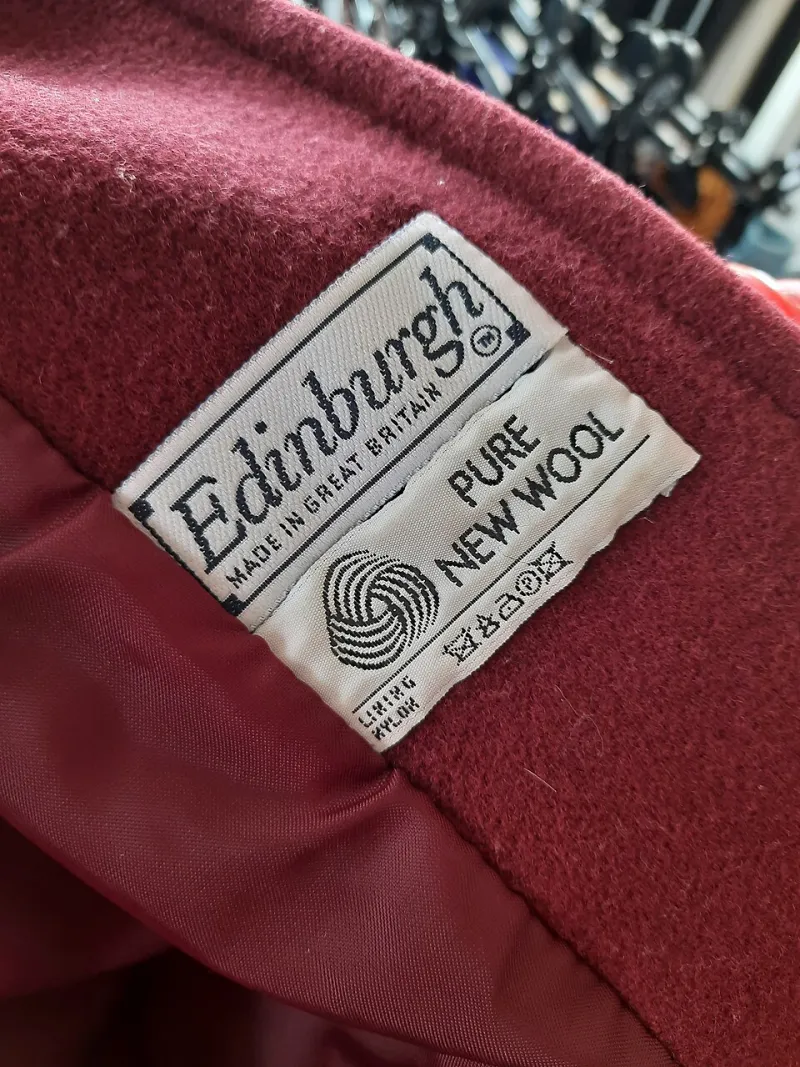
Start inside the garment. A genuine vintage label usually tells a story: older fonts, a country of origin, a brand that no longer exists, or a care label that looks like it belongs to another decade. 'Made in England' or 'British Made' can be useful, but they are not proof on their own. Look up the brand if you're unsure. St Michael means old Marks & Spencer; C&A and BHS are long gone from UK high streets. On the other hand, a label that says 'vintage style' is a confession, not a clue. So is a modern care label with a long list of synthetic fibres and a website address. If the label has been snipped out, ask why. Sometimes it's a comfort issue; often it's a way to hide a fast-fashion origin.
Stitching and seams don't lie
Turn the piece inside out. Vintage clothing often has pinked seams, French seams, bound edges or metal zips. It may have hand-finished details, though plenty of older mass-market clothes were made quickly too. Fast fashion tends to give itself away with overlocked seams, thin polyester thread, plastic zips and a slightly brittle feel. Check the buttonholes and buttons: old buttons are often metal, shell or early plastic, while modern replacements look uniform and shiny. Also look for wear that matches age. A garment can be genuinely old and still in good condition, but factory-distressed 'vintage' looks are a different thing entirely.
Materials age honestly
Wool, cotton, linen and silk tend to age in a way you can feel. Vintage wool has weight and bounce; old corduroy softens without going limp. There are also period synthetics such as Crimplene and early polyester, which have a distinct texture and often a slightly stiff drape. Modern fast fashion can mimic the look with acrylic and thin viscose, but it usually feels flatter and pills faster. Give the fabric a squeeze. If it feels like it was made for one season, it probably was.
Pricing is the awkward conversation
Charity shops need to raise money, and volunteers deserve credit for spotting valuable donations. But a 'vintage' price should reflect age, quality and rarity, not just a handwritten tag. If a piece is clearly modern fast fashion, leave it on the rail, even if it's on the vintage section. Ask yourself whether you'd pay the same in a normal high-street sale. Resellers will always cherry-pick the best pieces; that's part of the ecosystem. Your job is to make sure your money supports the charity and keeps good clothing in circulation, rather than funding a mislabelled mark-up.
A quick field checklist
- Check the inner labels, care labels and any country of origin.
- Look up unfamiliar brands before you pay.
- Inspect seams, zips and buttons inside out.
- Feel the fabric and look for honest wear.
- Treat 'vintage style' as a warning, not a selling point.
- Compare the price with the quality in your hand.
Charity shopping is still one of the best ways to build a sustainable wardrobe. You just have to shop with your eyes open. The real treasures are out there, and they usually don't need a fake label to prove it.