Return Ticket Thinking: The Honest Maths of a Vintage Day Trip

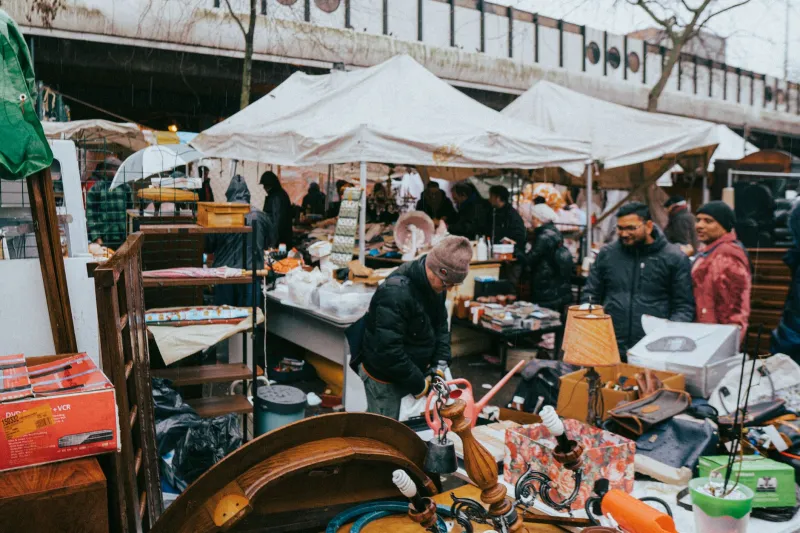
Photo by Photo by Bruno Martins on Unsplash on Unsplash
November is a dangerous month for the easily tempted. The dark arrives at four, the charity shop windows glow, and every other post seems to come from a market town with a railway station and suspiciously good vintage. It is also the month when a £6 jumper in a village shop can quietly become a £34 jumper once you have added a return train ticket, a coffee while you wait, and the bit of your Saturday you will never get back.
That is not a reason to stay home. It is a reason to do the sums before you put on your coat.
The £6 jumper that wasn't
Imagine the listing: a cable-knit jumper, undyed wool, slightly felted but promising, in a charity shop two towns over. The shop opens at ten and closes at four. The train is £9.20 return with a railcard, or £14 without. The walk from the station is twenty minutes each way. You will buy a tea because it is cold. You will probably buy a sandwich because the café next to the shop does a very good one.
Suddenly the jumper has a queue of costs behind it. None of them are outrageous. Together, they change what kind of purchase you are making. A cheap find is only cheap if the journey does not swallow the saving.
This is where the bus fare rule earns its keep. It is not a law and it is not a spreadsheet. It is a question you ask before you commit: if the return journey cost more than the item is likely to save me, is this a shopping trip or an outing? Both are allowed. They are just not the same thing.
What the rule actually says
Start with the return fare, not the single. Add parking if you are driving, and be honest about petrol rather than pretending the car runs on optimism. Add any unavoidable costs: a locker if you are carrying bags, a bus connection, a congestion charge, a ticket to the fair itself. Then compare that figure with the realistic saving on what you hope to find.
A rough guide, not a commandment:
- Under £10 return: the journey is cheap enough to be part of the fun. Go, but still take a list.
- £10 to £20 return: you need more than one shop, or one very specific item, to justify it.
- Over £25 return: the trip needs a reason beyond a single speculative find. A fair, a planned day out, a piece you have already seen and measured, or a part of the country you wanted to visit anyway.
The rule bites hardest when the item is ordinary. A secondhand coat that might be good is not worth a £30 train fare. A secondhand coat you have seen photographed, measured, and checked against your own measurements might be. The difference is not the coat. The difference is the information.
The ledger beyond the ticket
Travel is the obvious cost, but it is not the only one. Time is the quiet one. A four-hour round trip in December is four hours you are not spending on the rest of your life. That does not make it a bad use of a Saturday. It does make it a choice.
There is also the empty-handed risk. One shop in a town you do not know is a coin toss. Five shops and a car boot on the same morning is a different proposition. Before you go, map the charity shops, check opening hours, and remember that many smaller shops close on Mondays or close early on Saturdays without warning. A quick phone call is not overplanning. It is basic self-defence.
And then there is the cost of coming home with something you did not need because you could not bear to have spent the fare for nothing. That is the real vintage trap: the consolation purchase. A £12 bus ticket can persuade you to buy a £15 jacket that fits badly, just to make the day feel worthwhile. The jacket then lives in the wardrobe as a receipt for your train fare.
Three trips that usually pass the test
First, the multi-stop day. You are going to a town with four charity shops, a vintage market, and a decent café. Even if the specific jumper is gone, the day has other chances. The travel cost is spread across the whole hunt.
Second, the event with a ticket. A rural vintage fair, a textile fair, a car boot that only runs once a month. You are paying for a curated day, not a single shop. The bus fare rule still applies, but the event itself is part of the value.
Third, the journey you were making anyway. If you are already visiting family in Yorkshire or friends in Devon, the marginal cost of a detour is small. The fare is not really about the vintage at all.
Three that usually fail
The single-shop pilgrimage. One shop, one rumoured item, no backup plan. This is how people spend £18 to learn that the shop is closed for a staff training day.
The vague day out. 'There might be good charity shops.' There might. There might also be three racks of supermarket basics and a broken umbrella stand.
The tight return. If you have to leave before you have properly looked because the last train is at three, the journey is running you. Vintage needs a little room to breathe.
When to break the rule
Rules are useful until they are not. Break the bus fare rule when the item is genuinely specific: a replacement for a beloved coat, a piece for a wedding, a repair match, a maker you collect. Break it when the trip is the point, because seeing a friend or supporting a small shop matters too. Break it when you have budgeted for the day as entertainment and you are comfortable coming home with nothing but a good sandwich and a few notes on prices.
What you should not do is let the fare turn a maybe into a must. The journey is not a moral contract. You are allowed to get the bus home empty-handed.
A pre-trip checklist that fits on your phone
Check the return fare and the last train back. Check opening hours, especially on Sundays and Mondays. Map the shops and note which ones are a bus ride apart. Take your measurements, a fabric tape, and a photo of the gaps in your wardrobe. Set a spending limit that includes the travel, not just the clothes. Bring cash for the car boot and a bag that folds small. And decide in advance what you will do if you find nothing: a coffee, a look in the charity bookshop, a walk. The day can still be worth it.
The bus fare rule is not about being tight. It is about keeping the bargain honest. A secondhand find should still feel like a find when you are home, with the ticket in your pocket and the jumper on the back of the chair. If the journey has eaten the joy, it was not a bargain. It was just a day out with a jumper attached.