The Five-Minute Glove MOT: How to Buy Secondhand Pairs That Actually Work
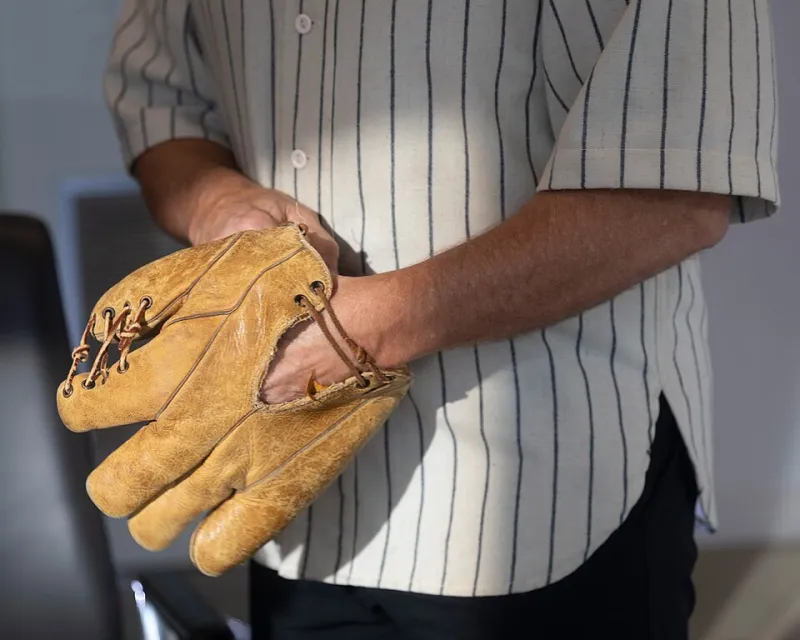
Photo: Tessa Bury, CC BY 4.0, via Wikimedia Commons
Gloves are the quiet bargains of secondhand shopping. They hang by the till in charity shops, sit in boxes at car boots, and turn up in eBay lots described as “winter accessories.” Nobody photographs them properly. Nobody queues for them. And yet a decent pair of leather gloves, lined in wool or cashmere, can cost less than a supermarket meal deal and last for years if you know what you are looking at.
The problem is that gloves are also one of the easiest things to buy badly. A pair can look fine on the shelf and turn out to be stiff, cracked, too short in the finger, or lined with something that makes your hands clammy within ten minutes. Here is the practical, in-shop test — a five-minute MOT you can do without a shop assistant, a mirror, or any great leap of faith.
Start with the fit, not the label
Ignore the size printed inside. Vintage gloves, like vintage shoes, tend to run small, and leather can shrink over time. The only reliable test is your own hand.
Push your hand into the glove and check three points. First, the fingertips: they should reach the end of the glove without pressing hard against the seam. A gap of a few millimetres is fine; a finger that stops short means the glove is too small, and no amount of wearing will fix it. Second, the web between thumb and forefinger: it should sit snugly, without pulling. Third, the cuff: it should overlap your sleeve by a couple of centimetres, not stop at your wrist like a bracelet.
Try both gloves on. It sounds obvious, but odd sizing is common in secondhand pairs, especially with wool and knitted gloves that have been washed. Clench your fist, spread your fingers, and pretend to grip a steering wheel. If the glove twists or the palm bunches, walk away. A glove that fights your hand will not improve with age.
The knuckle crease and other leather clues
Leather tells you its age at the creases. Look closely at the knuckles and the base of the thumb. Fine, soft creases are normal. Cracks that run deep, flake at the edges, or look like dry riverbeds are not. Once leather has cracked through the surface, it cannot be rescued with conditioner; it will split.
Check the seams, too. Gloves are made with tiny seams and gussets, and these are where wear shows first. Pull gently at the stitching between the fingers. If it feels loose or you can see frayed thread, the glove is on borrowed time. Look at the palm: a little darkening is fine, but stiff, shiny patches can mean sweat and grit have been worked into the leather. That is not always a dealbreaker, but it does mean the glove has done hard labour.
Suede is a different matter. It is lovely for dry, cold days and hopeless in a British drizzle. If you want a daily winter workhorse, choose smooth leather or a tight wool knit, not suede, unless you are prepared to treat it like a delicate pet.
Linings: the warmth is in the middle
The outside of a glove gets all the attention, but the lining decides whether you are warm or merely decorative. Wool and cashmere linings feel soft, dry and slightly fuzzy. Synthetic linings — often polyester or acrylic — feel smoother, cooler and a bit slippery. Turn the glove inside out if you can. A good lining should be attached at the cuff and the fingertips, not loose and baggy. If it pulls out like a sock, it will bunch up every time you put the glove on.
Labels help, but only a little. “Cashmere-lined” is a genuine claim on better gloves, but plenty of high-street pairs use the phrase loosely. Look for a label that names the fibre, not just the feeling. If the lining feels clammy before you have even warmed up, it is probably synthetic. A quick rub between finger and thumb will tell you whether it pills or glows with static.
Cuffs, seams and the odd-pair drawer
Cuffs take a beating. They are what you pull on, tuck under sleeves, and drag across coat pockets. Look for frayed edges, stretched-out openings and split seams. A slightly loose cuff is fine if you wear your gloves under a coat sleeve, but a cuff that flaps open will let in cold air all day.
If you find a single glove you love, buy it only if you are happy to hunt for a partner. Odd pairs are common in charity shops because one glove gets lost. Match by colour, weight, lining and size — not just by “looks about right.” Two gloves can be the same shade and still feel completely different on. The practical approach is to buy two pairs cheaply and make one good pair, keeping the spares for gardening, dog walks or the glovebox.
Cleaning without ruining them
Wool and cotton gloves can usually be hand-washed in cool water with a gentle detergent, then dried flat away from radiators. Leather should not be soaked. Wipe the lining with a damp cloth and mild soap, dry the glove naturally, and treat the leather with a proper conditioner once it is dry. A few hours in the freezer is not a steriliser, whatever the internet says. If a pair smells strongly of perfume, smoke or damp, assume the smell has settled into the lining and walk away.
The British winter test
A decorative pair is for weddings, parties and looking interesting at the bus stop. A daily winter pair needs to handle wind, damp air, salty pavements and the walk from the station. Leather with a wool lining is the classic answer; knitted gloves are warmer than they look but useless once wet; mittens beat fingers for sheer warmth. If you are buying for a commute, choose a pair you can put on and take off without a fight, and keep a cheaper spare pair in your bag for the days when the good ones are drying on the radiator.
What to pay
In charity shops, £3 to £8 is normal for a decent pair; £10 to £20 is fair for good leather with a wool or cashmere lining at a vintage fair. Above that, you are paying for a label or a story. Check the seams, check the creases, check the fit, and remember that the best secondhand gloves are not the prettiest ones on the shelf. They are the ones you forget you are wearing by the time you reach the end of the road.