The Tailor's Vote: Buying Secondhand Clothes That Can Actually Be Changed
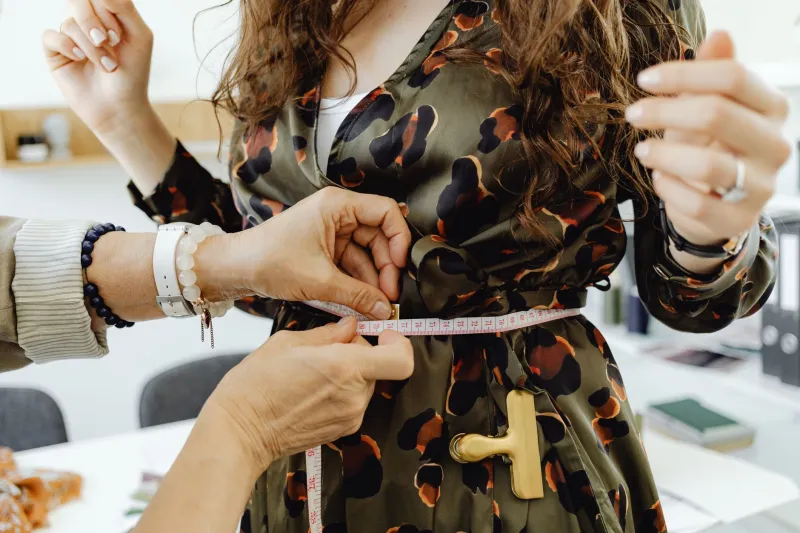
There is a particular secondhand thrill in finding a piece that is almost right. A 1970s wool skirt in a gorgeous rust colour, maybe, or a well-cut blazer that sits neatly on the shoulders but hangs like a sack at the waist. The label says 16, you are closer to a 12, and the price is £18. Before you hand over the cash, ask the question that separates a clever buy from a hanging offence: can this actually be changed, and at what cost?
In 2026, alterations are not a footnote to secondhand shopping. They are part of the price tag. The good news is that plenty of vintage and charity-shop finds are made with generous seams, honest fabrics and simple shapes that a local tailor can tweak without drama. The trick is learning to see the garment as a tailor sees it — not as a finished thing, but as a set of decisions already made.
Check the seams before you check the mirror
Turn the garment inside out. This is the single most useful habit in secondhand shopping. Look at the seam allowance: the strip of fabric beyond the stitching. A generous 1.5cm allowance gives a tailor room to take in a waist, adjust a side seam or let something out slightly. A skimpy 5mm overlocked edge gives you almost nothing. French seams are beautiful and strong, but they can be fiddly to unpick. A lined garment adds labour. Pockets, vents, pleats and topstitching all add complexity.
Fabric matters just as much. Wool, cotton, linen, viscose and many silks respond well to reshaping. Leather, PVC, bonded fabrics, heavily beaded pieces, bias-cut dresses and fine knits are a different story. Bias-cut pieces can be reshaped only within a narrow range before the drape changes. Beaded pieces may lose their pattern if seams move. Fine knits can be unpredictable. If a piece is one size too small and has no let-out allowance, leave it on the rail. One size too big is usually the safer bet.
The alterations that usually earn their keep
Simple changes are where secondhand alteration maths works best. A hem on a dress or trousers is often £15–25 at a local alterations shop. Taking in a waistband might be £20–35. Shortening sleeves is typically £20–30. Prices vary by city, fabric and complexity, so ask before you buy if you can. A £20 skirt with an £18 waist take-in can still be a good buy if the fabric is lovely and the fit becomes yours. A £4 pair of trousers that needs a full recut is not a bargain; it is a project.
Shortening straps, taking up a hem, narrowing a sleeve and adding a simple dart are all realistic. Replacing a zip can be worthwhile on a coat or good-quality dress. Moving buttons or adding a belt loop is cheap. These are the changes that make a secondhand piece feel tailored rather than borrowed.
Where the maths gets ugly
Shoulders are the classic red flag. Reshaping a jacket's shoulders can cost £60–100 or more, and it may never sit quite right. Armholes, collars and complicated coat linings are similarly expensive. A bias-cut dress that needs the whole bodice reworked is a specialist job. Turning a long coat into a cropped jacket is not an alteration; it is a commission. If a piece needs more than two structural changes, walk away unless it is genuinely rare and you have a trusted tailor.
Also factor in travel, waiting time and the risk that the tailor says no. If purchase price plus alterations gets within about 70% of a new equivalent you love, consider buying new. If the piece is unique, beautifully made and clearly worth saving, the maths can flex. The point is to do the sum deliberately, not after you have fallen in love.
Do the true-cost sum in the shop
Use your phone calculator. Add the ticket price, a realistic alteration quote and any cleaning or repair. That is your true cost. A £50 jacket that needs £80 of work is a £130 jacket. Be honest about whether you would pay £130 for it in its altered state. Check for moth holes, worn elbows, underarm stains, broken zips and missing buttons. A bargain with a flaw plus alterations is rarely a bargain.
Ask about returns before you buy, especially in charity shops. Some will offer an exchange or credit note; many will not. If you are buying online, take photos of the inside seams and labels before committing. A seller who shows you the seam allowance is a seller worth trusting.
Talk to a tailor before you commit
A good local tailor can often give a quick opinion from photos of the inside seams, the label and the fit. Some will let you bring the garment in for a five-minute assessment. Ask the difference between taking in and taking up. For jackets, ask about vents and lining. For coats, ask about the hem and lining. For dresses, ask whether the side seams can move without disturbing the pockets or the print.
A field checklist
- Pinch the seam allowance inside the waist, side seam and hem.
- Check the fabric: does it crease, stretch, fray or resist reshaping?
- Count the changes needed. One or two simple ones is fine; three structural ones is a warning.
- Get a rough quote before you buy if the price is significant.
- Compare the all-in cost with a new piece you would actually wear.
- Walk away if the shoulders, armholes or bias cut need serious work.
The best secondhand fit is not always the size on the label. It is the piece with good bones, enough seam allowance and a fabric that will forgive a needle. Buy for potential, but only when the numbers make sense. The tailor's vote is the one that counts.